
An Exceptionally Corrupt Regime
American Exceptionalism series, Chapter 9 — How American Exceptionalism made government corruption inevitable — and why it's accelerating now.

Recently, Donald Trump fired David Huitema, the director of the Office of Government Ethics, the independent agency responsible for preventing conflicts of interest across the executive branch. Huitema had been confirmed by the Senate just three months earlier for a five-year term specifically designed to span multiple administrations and reduce partisanship.
The firing came hours after Senator Adam Schiff had written to Huitema demanding information about whether tech billionaire Elon Musk was complying with federal ethics laws.


Three days earlier, Trump had fired Hampton Dellinger, head of the Office of Special Counsel, which protects whistleblowers. The same week, Attorney General Bondi disbanded the Justice Department’s Kleptocracy Team, which investigated corrupt foreign politicians, and dismantled the Foreign Influence Task Force, which investigated foreign election interference.
The pattern is clear: the institutions designed to constrain corruption are being systematically disabled. The real question is how American democracy became so vulnerable to this kind of dismantling in the first place. The real answer has to do with national hubris.
American institutions were designed with American Exceptionalism baked into their foundations. They were built to protect a system that assumed America was uniquely virtuous, uniquely capable of self-governance, uniquely resistant to the corruptions that plagued ordinary nations. That assumption made certain kinds of corruption harder to see, harder to prevent, and eventually, harder to repair.
The Permission Structure
Exceptionalism creates a particular kind of vulnerability. If you believe your nation is specially chosen, uniquely moral, inherently different from other countries, then the normal safeguards seem unnecessary. Other countries need robust anti-corruption mechanisms because their leaders might be tempted. American leaders, the thinking goes, operate from purer motives.
This shows up everywhere once you look for it. The United States has weaker campaign finance laws than most peer democracies. We allow levels of lobbying that would be considered corruption in Germany or Japan. We permit a revolving door between government service and private industry that would be scandalous in Scandinavia. We accept levels of wealth concentration and political influence among the ultra-rich that democracies in other countries actively work to prevent.
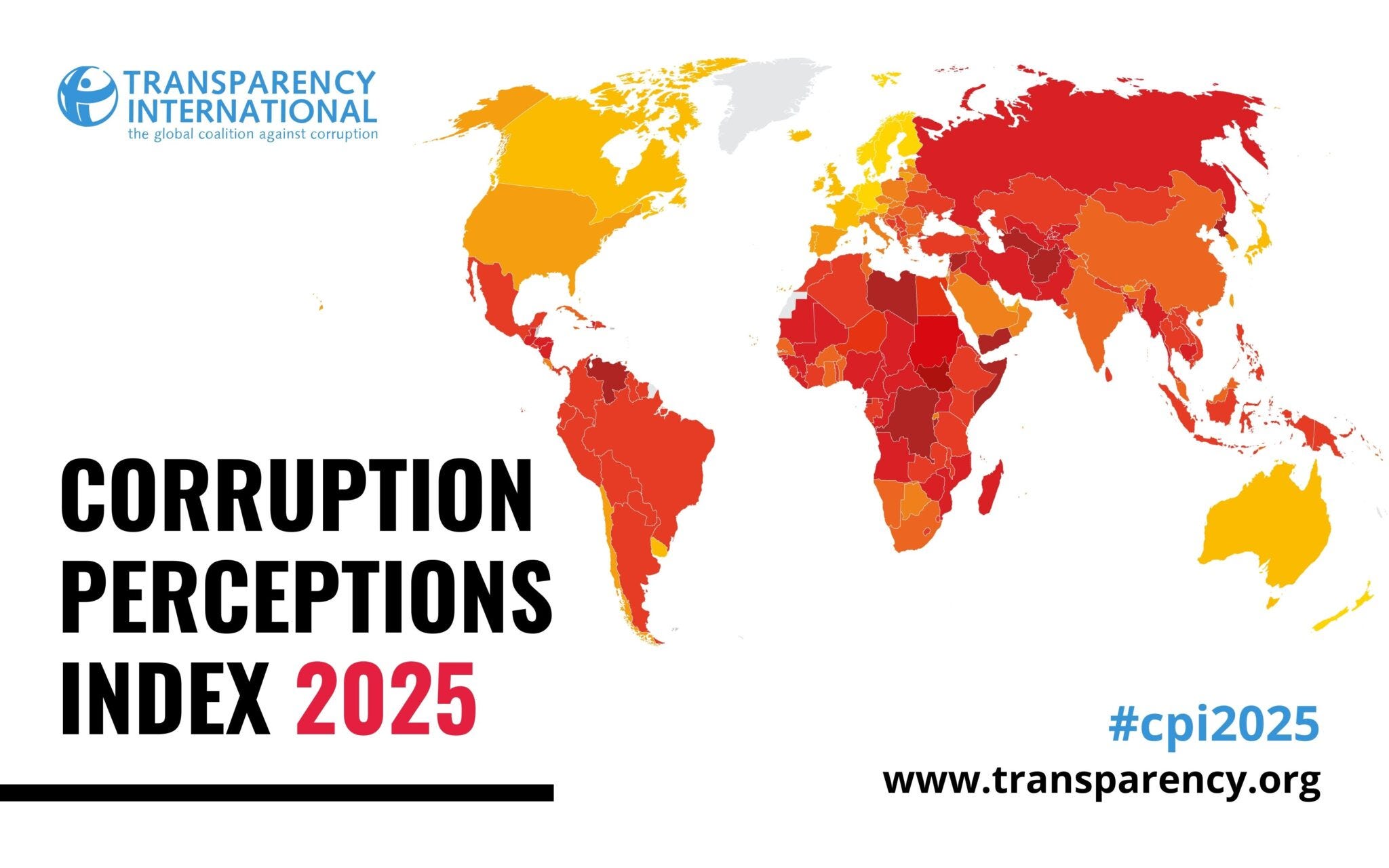
The justification, when anyone bothers to offer one, rests on Exceptionalist logic: we can handle this level of money in politics because American democracy is resilient; we can trust corporations to act in the public interest because American business operates differently. The Mythology provides permission to skip the safeguards.
Supreme Court: Exceptional and Unaccountable
The clearest example might be the Supreme Court, an institution that has positioned itself as beyond the accountability mechanisms that apply to every other part of government. No term limits, no binding ethics code until recently (and even that one has no enforcement mechanism), no way to remove justices except through impeachment, which requires such extraordinary political consensus that it’s functionally impossible.
Why does the Court operate this way? Exceptionalism provides the answer. American judges, particularly Supreme Court justices, are somehow above the petty corruptions that require oversight everywhere else. The Constitution is treated almost as scripture, the Founders as semi-divine, and the justices as high priests interpreting sacred text.

This makes it very difficult to point out when justices accept luxury vacations from billionaires with cases before the Court, or fail to recuse themselves when their spouses have direct financial interests in cases they’re deciding. Suggesting that American Supreme Court justices might need the same ethical oversight that applies to judges in other democracies sounds like you’re attacking America itself.
The recent rulings expanding presidential immunity work the same way. The logic runs: American presidents are exceptional, American democracy is special, therefore American presidents need freedoms that leaders in other democracies don’t.
A French or Canadian court limiting executive power is ordinary democratic oversight. An American court doing the same thing threatens something sacred.
Beyond the Paywall, we’ll dive more into corruption with American characteristics:
How Congressional Gridlock is a function of Exceptionalism
How the Revolving Door between Government and Industry Cripples America
The Performative Aspect of Democracy
The Loss of Trust in Institutions
A Way to Ordinariness
